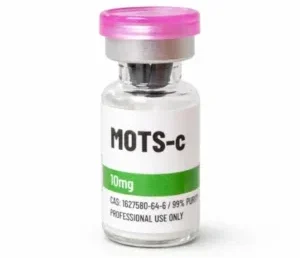
Metabolic Regulation and Insulin Sensitivity: MOTS-c activates AMPK (AMP-activated protein kinase), a master regulator of cellular energy, which increases glucose uptake in muscle cells by promoting GLUT4 translocation. This improves insulin sensitivity and glucose tolerance, particularly in aging or metabolically challenged individuals.
Fat Loss and Energy Efficiency: By enhancing mitochondrial function and promoting fatty acid oxidation, MOTS-c helps the body burn fat more efficiently without reducing appetite. Animal studies show it can prevent weight gain even on high-fat diets by increasing metabolic efficiency and heat production.
Exercise Performance and Endurance: MOTS-c improves mitochondrial capacity, sparing glycogen during prolonged exercise, which can enhance aerobic performance and endurance. It acts as an “exercise mimetic,” amplifying some benefits of physical activity, especially as natural MOTS-c levels decline with age.
Longevity and Cellular Stress Response: Emerging research suggests MOTS-c functions like a mitochondrial stress hormone, activating pathways similar to caloric restriction. This may support healthy aging, protect against age-related metabolic decline, and improve cellular resilience.
Metabolic Health Beyond Weight: MOTS-c reduces liver fat accumulation and may help manage obesity-related metabolic disorders. It supports glucose homeostasis and energy balance without affecting appetite, distinguishing it from drugs like GLP-1 receptor agonists.
MOTS-c is encoded by mitochondrial DNA and synthesized in response to energy stress, such as fasting or exercise. Its primary mechanism involves AMPK activation, which regulates energy production, enhances fat oxidation, and improves glucose handling. This makes it particularly relevant for individuals with insulin resistance, prediabetes, or metabolic syndrome.